
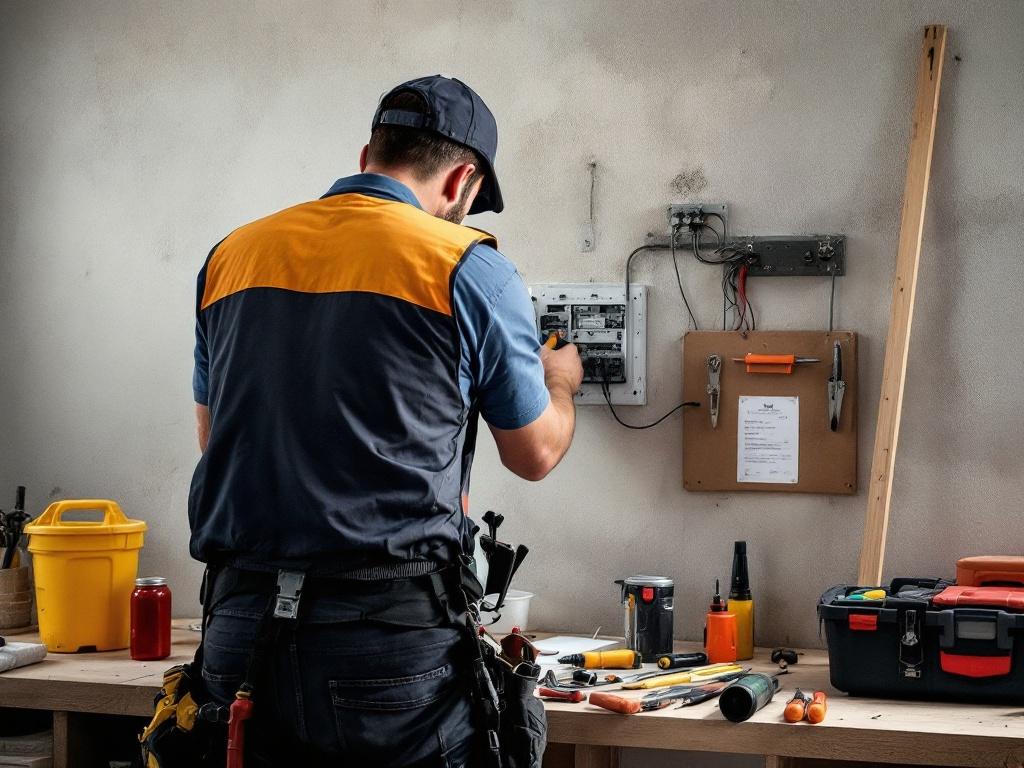
Flickering Lights & Tripping Switches: Warning Signs at Home
Your home's electrical system sends clear signals before something fails — here's how to read them and what to do next.
Are flickering lights actually dangerous, or just annoying?
Flickering lights are a genuine electrical warning, not just a nuisance. A single bulb flickering usually points to a loose globe or a dying LED driver — swap the bulb and you're done. But if multiple lights flicker across a room or the whole house, that signals a loose connection somewhere in the circuit, a failing neutral wire, or an overloaded switchboard that needs professional attention.
The risk is real: loose connections generate heat, and sustained heat at a junction point is one of the most common causes of electrical fires in Australian homes. If the flickering started recently and coincides with using high-draw appliances — a dryer, air conditioner, or electric oven — your circuits may be running at or beyond their safe capacity.
The honest comparison here is straightforward. A single-bulb flicker: fix it yourself. Flickering tied to appliance use, multiple lights on one circuit, or lights that dim and brighten without explanation: call a licensed electrician. There is no middle ground worth gambling on.
Circuit breaker keeps tripping: nuisance fault or serious problem?
A tripping circuit breaker is the switchboard doing its job — it's protecting you from an overloaded or faulted circuit. The question is why it keeps happening, and that answer determines what you do next.
Occasional tripping when you run too many appliances on one circuit is a capacity issue, not a fault. The fix is either redistributing loads or having an electrician add a dedicated circuit. Frequent tripping with a normal load, or a breaker that trips immediately on reset, points to a short circuit, a damaged appliance, or deteriorating wiring — and that requires a licensed electrician to diagnose safely. A safety switch (RCD) that trips repeatedly is telling you there's a current leakage path somewhere, which is exactly the scenario that causes electrocution.
Homes in Sutherland Shire and across suburbs like Engadine and Menai that were built in the 1970s and 80s often have older switchboards with ceramic fuses rather than modern circuit breakers. These boards can't respond fast enough to faults and have no RCD protection at all. If your switchboard looks like a row of porcelain fuses rather than plastic switches, a switchboard upgrade isn't optional — it's overdue.
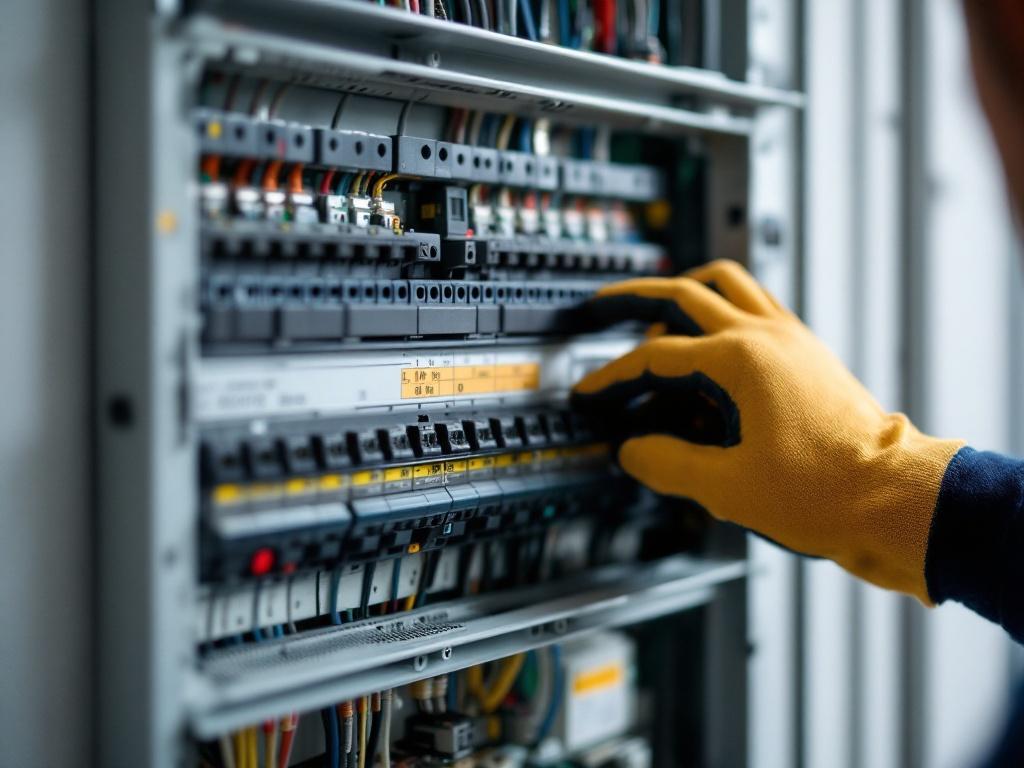
Flickering vs tripping: which warning sign is more urgent?
Both demand attention, but tripping switches are generally the more urgent of the two. A tripping breaker or safety switch is the electrical system actively shutting itself down to prevent damage or injury. That's a hard stop, not a warning. Flickering lights are a warning — the problem is developing, but hasn't yet caused the system to fail.
To compare them directly: intermittent flickering across multiple circuits ranks similarly in urgency to a breaker that trips once a week under normal load. Both suggest a systemic issue — loose main neutral, ageing wiring, or an undersized switchboard — and both warrant a licensed electrician's assessment before they escalate. A breaker that trips immediately on reset, or a safety switch that won't stay on at all, is an emergency: don't force it, isolate the circuit, and call immediately.
The homeowners who end up with the worst outcomes are the ones who reset the breaker repeatedly, assume it will sort itself out, and never get an inspection. By the time the fault is obvious, the damage — to wiring, to appliances, or to the structure — is already done.
DIY checks vs calling an electrician: what you can and can't do legally
In NSW, electrical work is regulated and unlicensed wiring is illegal — full stop. What you can legally do yourself is limited to replacing a light globe, resetting a tripped breaker, and testing an RCD by pressing the test button on the safety switch. Everything else — replacing power points, rewiring a light fitting, adding circuits, touching anything inside the switchboard — must be done by a licensed electrician.
Practically speaking, here's the comparison. If your lights flicker and you suspect a loose bulb: check it yourself. If you've swapped the bulb and it still flickers, or if the problem is at the ceiling rose or switch: licensed electrician. If your safety switch trips and resets fine with no appliance plugged in: test each circuit to isolate the fault, then call if it trips again. If the safety switch won't reset at all: don't touch it — call immediately.
For homeowners in Cronulla, Miranda, and Caringbah undertaking renovations, this comes up constantly. Renovation electrical work — adding power points, moving switches, installing ceiling fans — all require a licensed electrician and a Certificate of Compliance. No certificate means no insurance cover if something goes wrong, and problems at the point of sale.
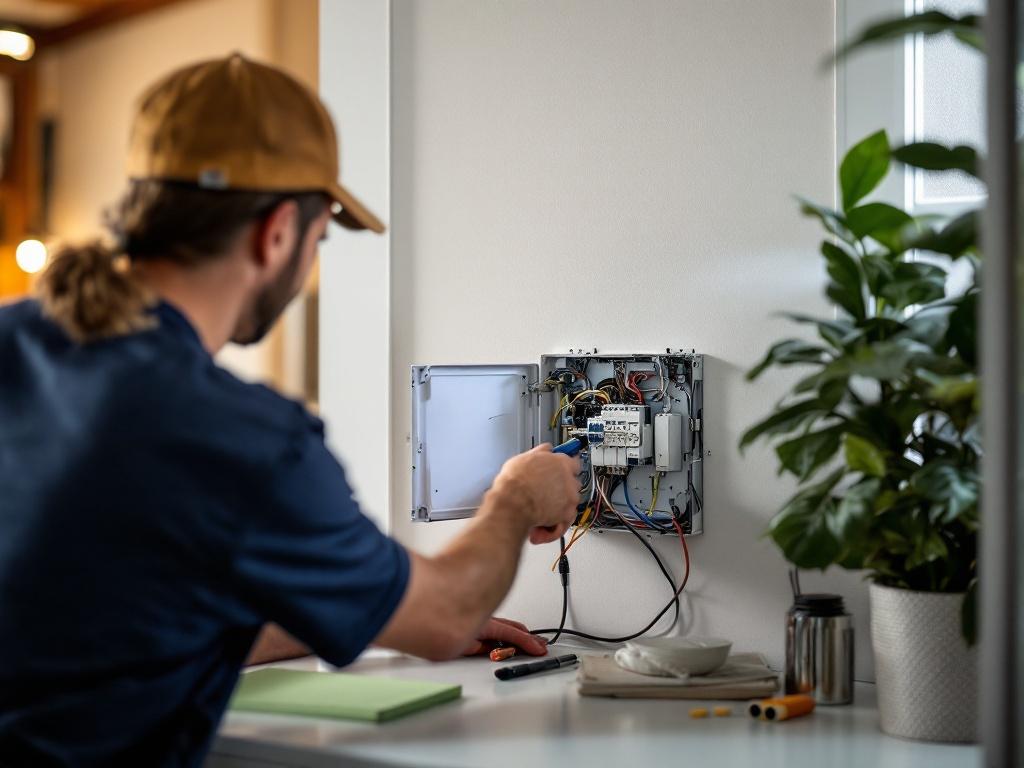
What an electrician will actually do — and what it might cost
A licensed electrician diagnosing flickering lights or tripping switches will start by testing circuits with a multimeter and clamp meter, checking for voltage drop, loose connections at the switchboard, and earth leakage across circuits. If the issue is a loose neutral at the switchboard or a failing connection in a junction box, the repair is usually straightforward and completed in a single visit.
If the investigation reveals ageing wiring — aluminium wiring from the 70s, cracked insulation, or undersized cable — the recommendation will be partial or full home rewiring. That's a larger job, typically done in stages to keep the home liveable, and the cost varies considerably depending on the size of the home and how much of the existing wiring is accessible. A switchboard upgrade to a modern unit with RCD protection and circuit breakers runs in a different cost bracket again. Any electrician worth using will give you a written quote before work starts.
Smoke alarm installation is often done at the same time, particularly in Sylvania and Gymea where we see a lot of older homes that still have battery-only alarms rather than the interconnected, hardwired alarms now required under NSW legislation. Bundling that work saves a call-out fee and gets you compliant in one visit.
Frequently asked questions
What our customers say
"PTY UNLIMITED PTY LTD were fantastic from start to finish — turned up on time, explained everything clearly and left the place spotless. Highly recommend to anyone in Sutherland Shire."
"Really happy with the electrician here in Cronulla. Fair price, genuinely professional, and no mess left behind. Will definitely use PTY UNLIMITED PTY LTD again."
"Fast, friendly and reliable — PTY UNLIMITED PTY LTD sorted everything the same day and kept me updated the whole way through. Great local service in Miranda."
Noticing flickering lights or tripping switches in your home?
Get PTY UNLIMITED PTY LTD out to diagnose it properly — serving Sutherland Shire, Cronulla, Miranda, and surrounding suburbs with honest electrical advice and quality workmanship.